.jpg)
The economic divide between those in the upper and lower classes is more prominent than ever. Wealth disparity is evident nationwide, however, in NYC inequality is unavoidable. Fund For The City of New York found in a recent survey that “46% of New York City households fall below the True Cost Of Living.” Every year, the price of rent, groceries, and other necessities rise as wages remain stagnant. Not to mention the rampant gentrification occurring in typically lower income neighborhoods, which ultimately price out and take opportunities from native New York people. This is the purposefully overlooked reality of NYCs immigrants and people of color.
Just as easy as it is for privileged NYC newcomers to overlook the bodies on the streets, most people refuse to acknowledge the impact, both abstract and tangible, related to urban poverty.
Immigrants, BIPOC, and the disabled are just a handful of demographics that struggle due to the unrelenting cost of living. However NYC based non-profits utilizing community service models are looking to bridge the gap between struggling and surviving.
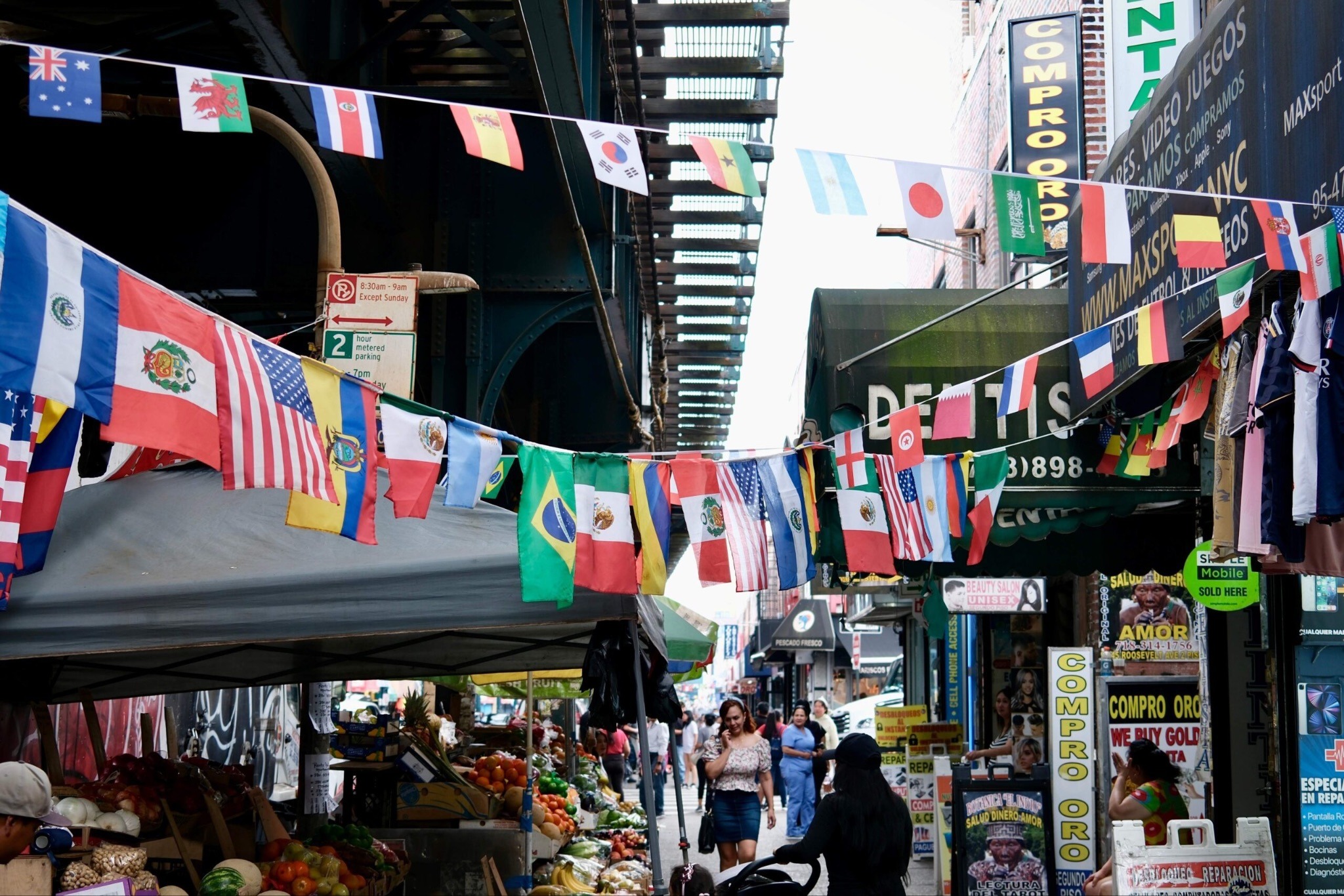
Immigrants are the heart of New York City breathe life into every single community in the city from the Bronx to Staten Island. NYC is home to 3.1 million foreign-born residents, which accounts for 38% of the population and 44% of the workforce. However, they are one of the most underserved. The lack of accessibility due to documentation issues, as well as rising ICE presence in lower income areas are additional road blocks that prevent immigrants from a plethora of resources. BIPOC who are citizens of the US also face similar issues. As of 2024, Asian and Latino New Yorkers were 30% and 33% more likely to live in poverty, as opposed to the 14% of white New Yorkers.
While the percentage of disabled New Yorkers is comparatively low (8%), 33% of that demographic are more likely to experience monetary hardship. Many workplaces, especially those that prioritize productivity an unethical amount, discriminate against those who indicate a disability, therefore, it’s statistically more difficult for disabled New Yorkers to obtain a job in the first place.
To make matters worse, the passing of the H.R.1 Budget Reconciliation Act, more popularly known as the Big Beautiful Bill, cut funding for many nationwide programs such as SNAP, which helped raise marginalized communities above the poverty line. In the wake of this governmental catastrophe, many grassroots organizations are trying their hardest to serve NYCs most vulnerable communities.
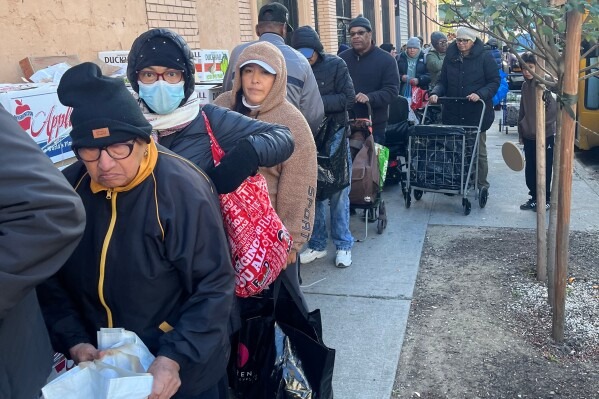
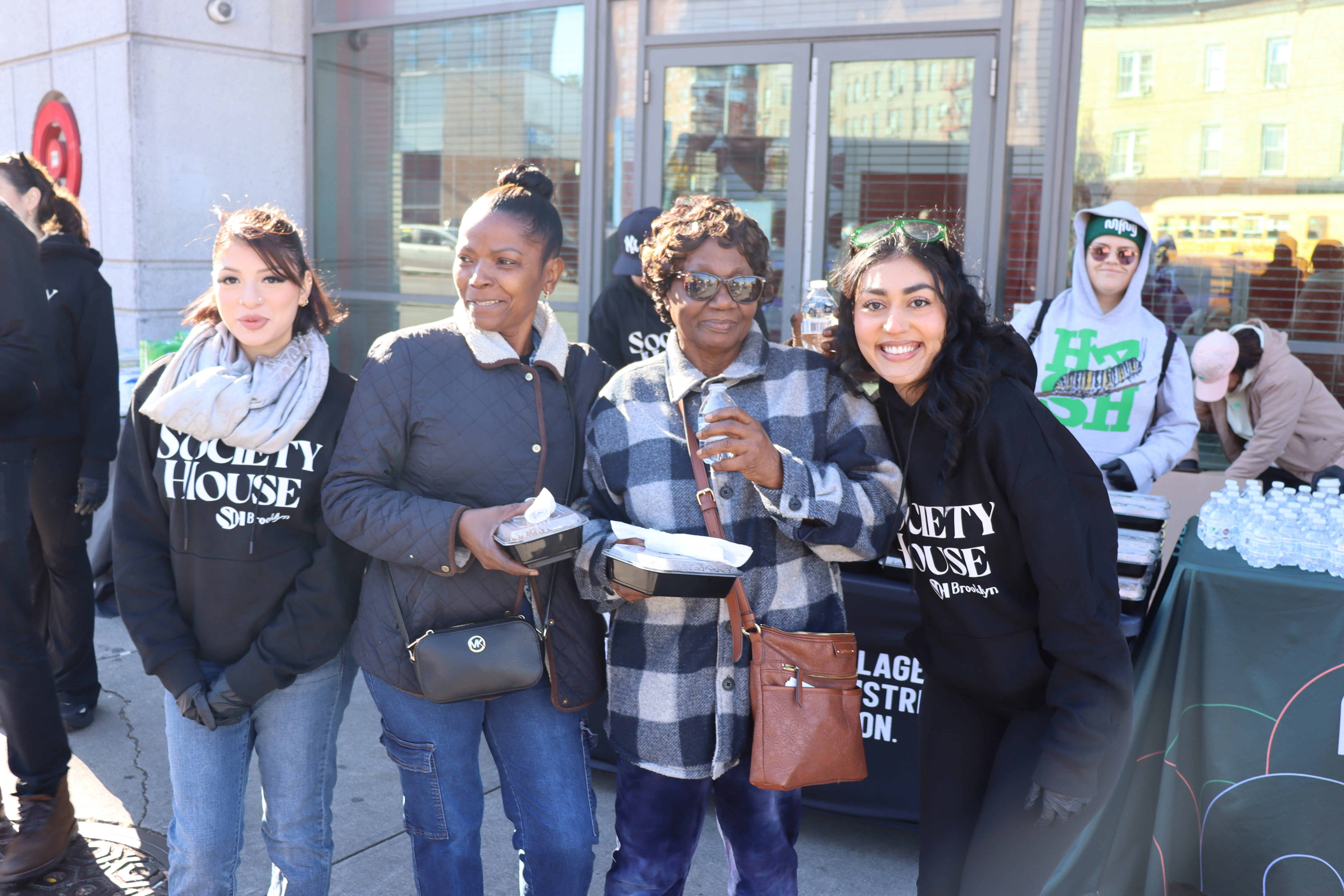
Understanding that food insecurity is one of the most prominent issues that is a symptom of poverty, groups such as the West Side Campaign Against Hunger (WSCAH) are working hard to find solutions. WSCAH is committed to reimagining food distribution, which includes removing the stigma associated with utilizing public programs as well as creating more user-friendly options for participants. One of these solutions includes their Digital Choice Pantry, which allows users to feel like customers as they choose food options via their phone and pick it up from more convenient locations.
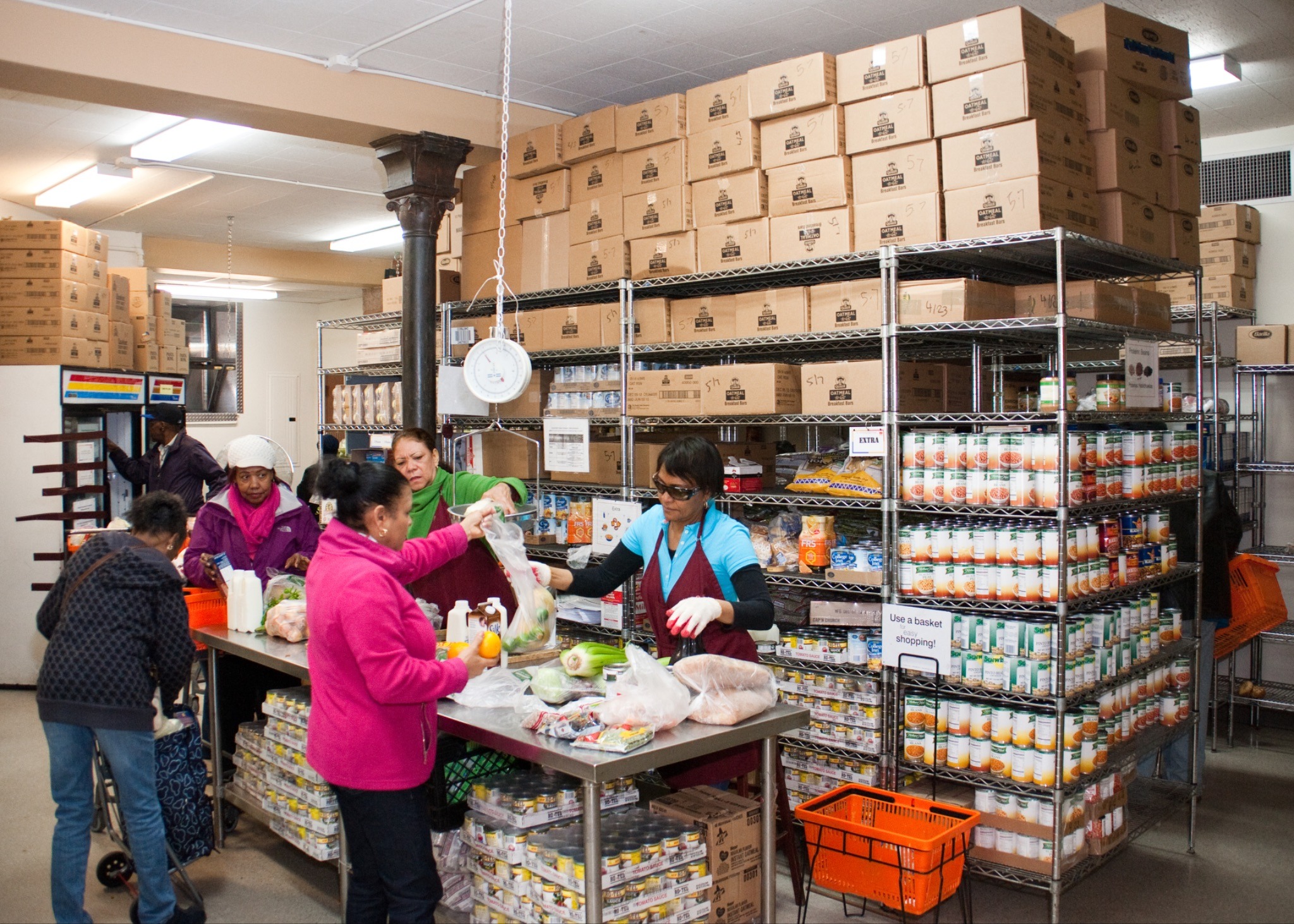
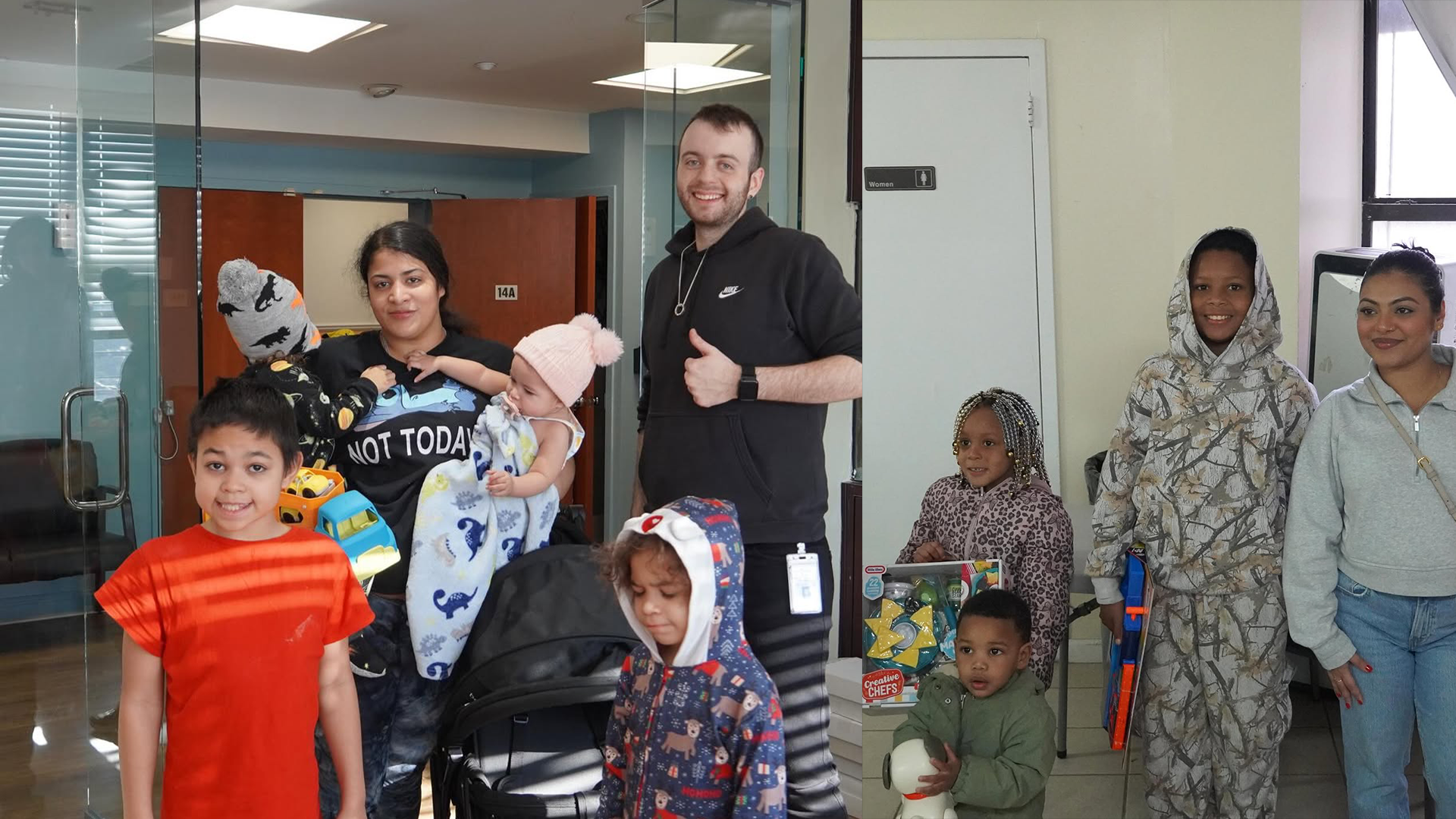
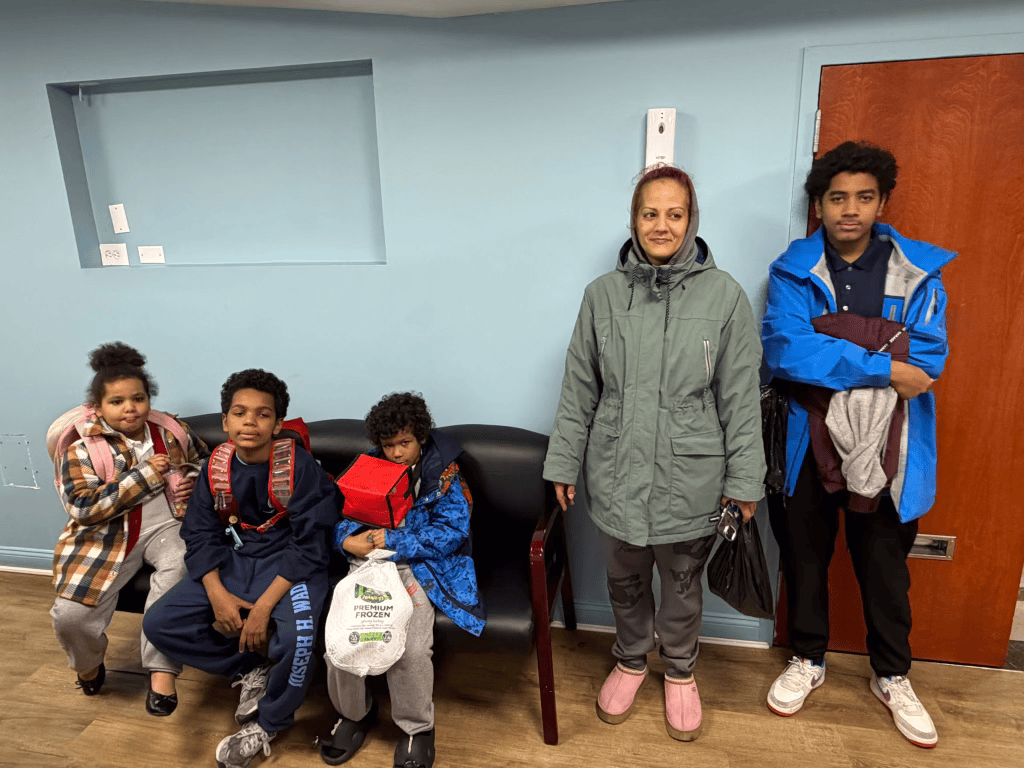
The East Village Design District Foundation is committed to the implementation of food distribution. In 2025, the EVDD Foundation distributed 300 turkeys in the Flatbush community, with 72 of them going to people and families living in makeshift and/or emergency shelters from the Arcadia Network.
While this is just a glimpse into what NYC has to offer in terms of grassroots public programming, the options are only just growing. It seems that nationwide uncertainty brews connection and community engagement.